Introduction: Why Boiler Bleeding Matters for London Landlords
In many London properties, boilers work hard throughout the year, especially during colder months when heating demand rises significantly. Because of this heavy usage, air often becomes trapped inside radiators and pipework, which then causes uneven heating and noisy systems. At this point, following proper boiler bleeding instructions becomes essential. Additionally, a correct heating pressure fix ensures that your system maintains safe performance and avoids costly repairs.
For landlords across London, understanding how to bleed a boiler safely is not merely a maintenance skill—it is part of responsible property management. Tenants expect warm, efficient homes, and a poorly functioning boiler can quickly lead to complaints, reduced comfort, or expensive callouts. Therefore, taking a proactive approach helps maintain compliance, reduces emergency repair bills, and increases tenant satisfaction.
1. How Boiler Bleeding Works and Why It Solves Common Heating Issues
The Basics of Air Trapped in Heating Systems
London rental properties often use older central heating systems, which makes air buildup more common. When air becomes trapped in radiators, tenants may notice cold patches, gurgling sounds, or slow heating. At this stage, clear boiler bleeding instructions help restore heat flow. Because bleeding releases the trapped air, water can circulate normally again, improving overall comfort.
How Bleeding Supports Heating Pressure Stability
Furthermore, landlords must understand how bleeding influences system pressure. Many properties in London experience low pressure due to routine heating use, and a proper heating pressure fix usually begins with removing trapped air. Once air escapes, pressure stabilises, reducing wear on internal boiler components. Consequently, following correct steps prevents unnecessary engineer callouts and extends system life.
2. When London Landlords Should Consider Bleeding a Boiler
Recognising the Signs Early
Because tenants depend on consistent heating, landlords should act quickly when certain warning signs appear. For example, if radiators warm only at the bottom, or if strange noises occur, these issues often point to trapped air. Clear boiler bleeding instructions become necessary to restore smooth operation. Moreover, addressing the problem early prevents further complications.
How Pressure Levels Guide Your Decision
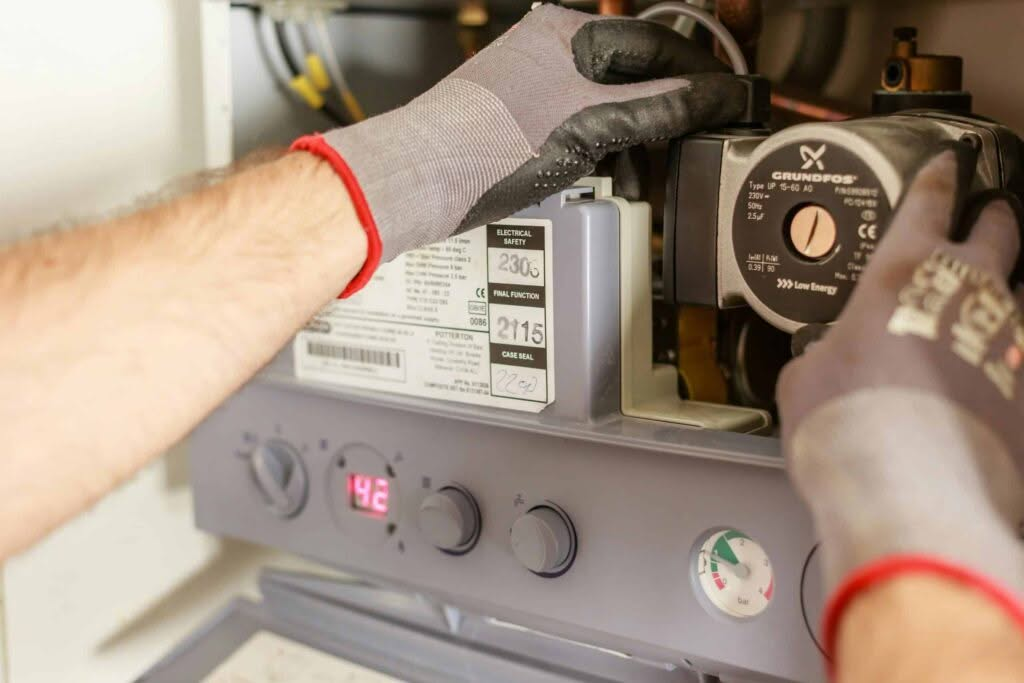
Another important indicator is boiler pressure. London boilers typically function best between 1 and 2 bars. If pressure drops repeatedly, landlords often need a heating pressure fix. Bleeding the boiler can be the first and safest step. Additionally, regular monitoring helps identify deeper issues before they become costly emergencies.
3. Step-by-Step Guide: Bleeding a Boiler Safely in London Homes
Preparing the System Safely
Before starting, landlords must gather a radiator key, a towel, and a container. Following clear boiler bleeding instructions ensures the process remains safe for both property and tenants. First, you should turn off the heating and allow radiators to cool. This simple precaution prevents scalding and allows trapped air to escape without pressure surges.
Performing the Bleeding Process Properly
Next, place the container under the valve, insert the key, and turn slowly. As air escapes, a hissing sound will occur. Once water begins flowing steadily, close the valve immediately. Although this method is simple, every landlord must understand that the system loses a small amount of water. Therefore, a minor heating pressure fix may be needed afterwards to restore normal operating levels.

4. Why Boiler Pressure Drops After Bleeding—and How to Fix It
Understanding Pressure Loss
Many London landlords become worried when boiler pressure drops slightly after maintenance. However, this is normal. When following correct boiler bleeding instructions, air escapes along with a small amount of water. As a result, pressure lowers temporarily.
Repressurising the System Correctly
Fortunately, the solution is simple. Every boiler includes a filling loop, which allows landlords to reintroduce water. By slowly opening the taps and watching the gauge rise, you can achieve a safe heating pressure fix. After the pressure reaches the recommended level, close both valves. This final step ensures your system remains balanced and ready for use.
5. Safety Tips All London Landlords Should Follow
Avoiding Common Risks
Bleeding a boiler is safe when done properly, yet landlords must avoid mistakes. Always follow official boiler bleeding instructions rather than rushing the process. Additionally, never attempt bleeding while the system is hot, as this increases the risk of burns.
Knowing When to Call an Engineer
Although landlords can perform basic maintenance, some situations require professional help. If pressure drops daily, or if leaks appear after attempting a heating pressure fix, a registered Gas Safe engineer must inspect the system. Many London properties contain ageing pipework, making expert assessment both safer and more efficient.
6. How Boiler Bleeding Helps Reduce London Heating Bills
Improving System Efficiency
When radiators contain trapped air, boilers must work harder, increasing energy usage. Therefore, following proper boiler bleeding instructions directly reduces waste. With airflow removed, heat spreads more evenly, allowing tenants to heat rooms faster and more efficiently.
Preventing Pressure-Related Performance Loss
In addition, London’s fluctuating temperatures cause boilers to cycle more frequently, which can drop pressure. A simple heating pressure fix helps the system maintain optimal performance. Over time, efficient operation lowers energy bills, making the property more appealing to eco-conscious tenants.
7. Preventive Maintenance Tips for Landlords in London
Routine Checks Make a Big Difference
Landlords should check pressure levels monthly, especially during winter. If radiators show signs of trapped air, early intervention using reliable boiler bleeding instructions avoids major system strain. Proactive maintenance protects your investment while keeping tenants comfortable.
Scheduling Professional Inspections
Furthermore, London rental regulations encourage annual boiler services. During these inspections, engineers evaluate efficiency, identify leaks, and perform a professional heating pressure fix if needed. Regular servicing ensures long-term safety and compliance.
8. Why London’s Older Properties Require Extra Care
Ageing Systems Cause More Air Traps
Many London homes feature older boilers and outdated radiators, which naturally accumulate air more frequently. Therefore, landlords must rely on proper boiler bleeding instructions to keep heating consistent. Neglecting this maintenance often leads to costly breakdowns.
Additional Pressure Concerns in Historic Buildings
Older pipes may corrode or expand differently with heat, causing frequent pressure drops. A careful heating pressure fix becomes essential to avoid dangerous faults. Furthermore, historic properties benefit greatly from routine checks to maintain long-term reliability.
Conclusion: Safe Boiler Bleeding Improves Tenant Comfort and System Longevity
Bleeding a boiler is one of the simplest and most effective ways to maintain heating efficiency in London properties. By following proper boiler bleeding instructions, landlords can prevent cold spots, noisy radiators, and unnecessary repairs. Additionally, applying a correct heating pressure fix ensures safe boiler performance.
With consistent maintenance, London landlords can provide warm, reliable homes while reducing long-term costs and improving tenant satisfaction.
Questions
let you know
Frequently Asked Questions
Why do London landlords need boiler bleeding instructions?
London landlords need clear boiler bleeding instructions because trapped air reduces radiator efficiency, and applying a proper heating pressure fix prevents long-term boiler strain.
How often should a landlord perform a heating pressure fix?
A landlord usually performs a heating pressure fix only when pressure drops below safe levels, and following boiler bleeding instructions helps prevent frequent pressure problems.
Can incorrect boiler bleeding instructions cause damage?
Yes, incorrect boiler bleeding instructions can lead to leaks or cold radiators, and an improper heating pressure fix may cause unsafe pressure levels.
When should tenants ask for a heating pressure fix in rented homes?
Tenants should request a heating pressure fix when radiators stop heating evenly and proper boiler bleeding instructions are needed to release trapped air safely.
Do modern boilers still require boiler bleeding instructions?
Even modern systems benefit from correct boiler bleeding instructions because trapped air still occurs, and a safe heating pressure fix protects system performance.